Signs Your Roof Needs Repair in Brooklyn
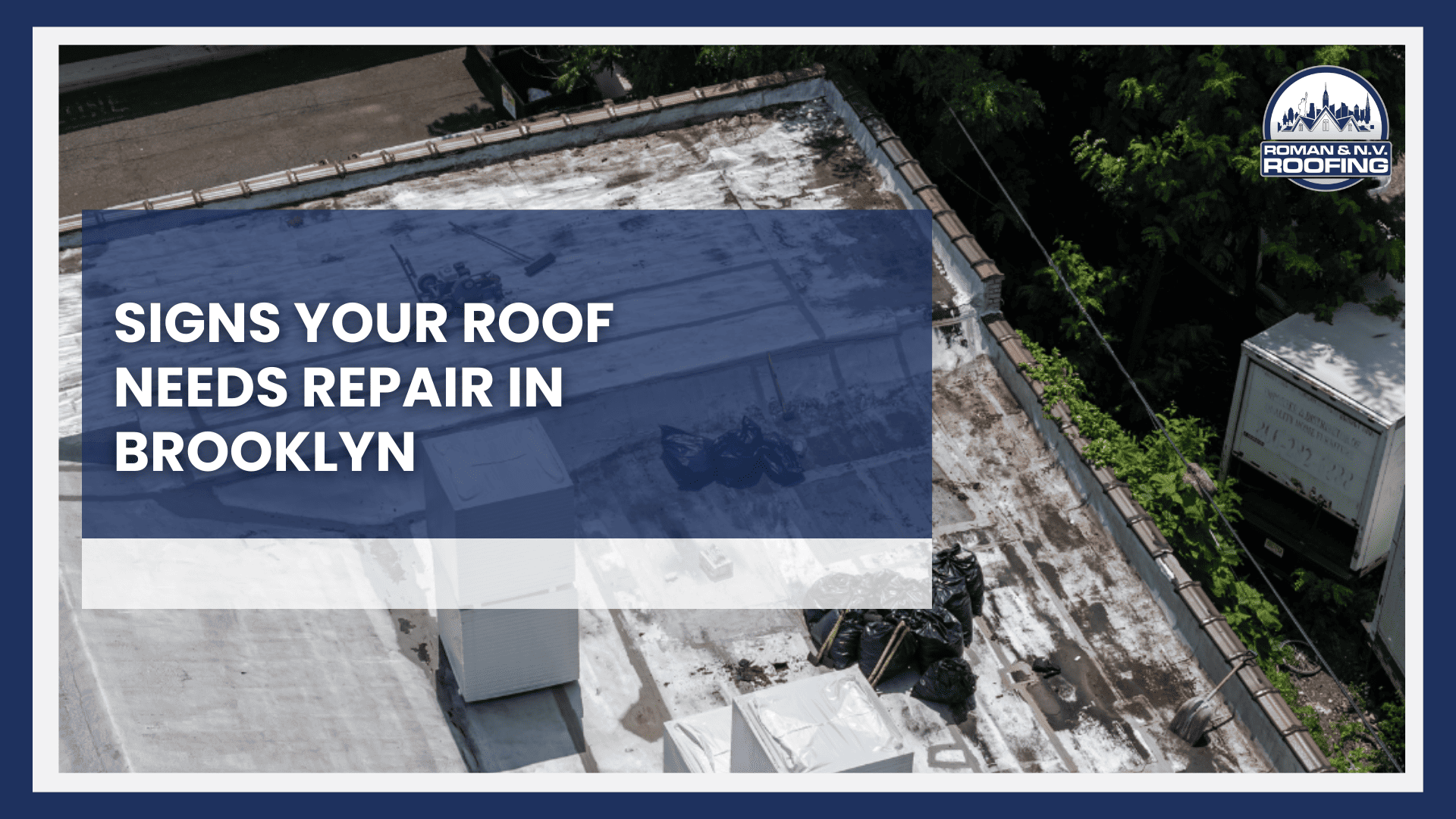
Your roof is more than just shingles and beams; it’s the shield protecting your home, family, and everything inside from New York’s unpredictable weather. Knowing the roof repair signs early can save thousands in damage, prevent leaks, and extend the life of your property. The truth is, many Brooklyn homeowners wait too long to act, only noticing serious problems after heavy storms or water damage.
I remember a client in Williamsburg who ignored minor leaks for months. What started as small drips eventually caused water damage through multiple apartments, leading to a full roof replacement instead of a simple repair. Don’t let your roof get to that point. Recognizing the signs now is your first step toward protecting your home.
Brooklyn roofs face unique challenges: harsh winter freezes, spring storms, summer heat, and autumn winds. These conditions accelerate wear and tear. By understanding and acting on roof repair signs, you ensure that your roof continues to safeguard your home efficiently.
Your roof may look fine from the street, but the moment you see even subtle changes, like curled shingles or dark streaks, you could be on the verge of costly damage.
This guide will help you identify each sign, understand its implications, and know exactly what to do next. By the end, you’ll have a clear plan for assessing your roof, preventing disasters, and maintaining your property’s value. Let’s explore common signs.
Visible Shingle Damage
Shingles are the primary barrier against rain, snow, and wind. Over time, they can curl, crack, lose granules, or even fall off completely. In Brooklyn, where Materials for Brooklyn Homes vary from asphalt to slate and tile, weathering plays a big role. Curling shingles often indicate aging, while missing granules can signal storm damage or material fatigue. Ignoring these issues can lead to water leaks and structural problems.
How to Handle It
Inspect all shingles regularly, especially after storms.
Document damage with photos for tracking and insurance purposes.
Replace broken or missing shingles promptly.
Schedule a professional inspection if multiple shingles are affected.
Consider preventive maintenance, such as sealing minor cracks.
Leaks and Water Stains
Ceiling or attic water stains are often the first noticeable sign of roof trouble. Even a small leak can expand over time, affecting insulation, ceilings, and even electrical wiring. In Brooklyn, aging roofs or roofs with minor previous damage are particularly vulnerable during winter freezes and spring thaws.
How to Handle It
Track the source of leaks carefully; water can travel along beams.
Remove wet insulation to prevent mold growth.
Patch small leaks immediately to avoid further damage.
Consult a licensed roofer for larger leaks or repeated issues.
Review your roof’s Roof Lifespan to determine if partial or full replacement is better.
Sagging or Uneven Roof Sections
A sagging roof deck or uneven roofline indicates serious structural issues. This can result from prolonged water damage, failing support beams, or heavy snow accumulation, a common concern in Brooklyn winters. Early detection prevents roof collapse or extensive interior damage.
How to Handle It
Examine the roofline from ground level for dips or low spots.
Inspect the attic for signs of water or rot.
Avoid walking on sagging areas; it’s a safety hazard.
Contact a professional immediately to assess structural integrity.
Plan for reinforcement or partial roof replacement if needed.
Missing or Damaged Flashing
Flashing, metal strips around chimneys, vents, and valleys, protects your roof from leaks at joints. Damaged or missing flashing is a common but often overlooked roof repair sign in Brooklyn, particularly after high winds or storms.
How to Handle It
Inspect flashing during seasonal checks.
Replace bent, corroded, or missing pieces immediately.
Seal minor gaps with roofing cement as a temporary measure.
Hire a professional for a full replacement to ensure water-tightness.
Schedule routine inspections to catch future flashing issues early.
Moss, Algae, and Debris
Moss or algae growth indicates moisture retention, which can degrade shingles and cause leaks. Roofs shaded by trees in Brooklyn are more susceptible, and accumulated debris like leaves or branches can trap water.
How to Handle It
Remove moss and algae with specialized treatments.
Clear leaves and debris from gutters and valleys.
Trim overhanging branches to reduce shade and moisture.
Inspect for shingle damage beneath moss patches.
Apply preventive coatings to protect shingles from future growth.
Granule Loss
Granules protect asphalt shingles from UV rays and water. When shingles lose their granules, they age faster and become less effective. In Brooklyn’s intense sun and storm-prone conditions, granule loss is a warning sign that your roof may need repairs or early replacement.
How to Handle It
Inspect gutters for granule accumulation after storms.
Check shingles for bald spots or discoloration.
Schedule a professional assessment to determine severity.
Replace affected shingles before leaks develop.
Consider a partial or full roof upgrade depending on age and condition.
Conclusion
Recognizing roof repair signs in Brooklyn is crucial for protecting your home and investment. By inspecting shingles, flashing, moss growth, and other indicators regularly and addressing them immediately, you prevent minor issues from escalating into major problems. Seasonal awareness ensures your roof withstands New York’s harsh conditions while maintaining longevity.
Your roof is not just an overhead structure; it’s your first defense against the elements. Don’t wait until leaks, sagging, or structural damage appear; understanding the signs and taking timely action is the best way to protect your home.
Schedule a professional roof inspection with Romanll11nycrestoration today and ensure your roof stays safe, secure, and durable. Protect your Brooklyn home with trusted experts who understand local conditions.
FAQs
1. How do I differentiate between minor wear and serious roof damage?
Minor wear often appears as surface-level cracks or fading, while serious damage involves leaks, structural issues, or missing shingles that compromise protection.
2. Can roof issues affect the energy efficiency of my home?
Yes, damaged roofing can lead to heat loss, higher utility bills, and compromised insulation.
3. How do weather conditions in Brooklyn accelerate roof deterioration?
Frequent rain, snow, and temperature fluctuations can worsen cracks, rot, and leaks faster than gradual aging alone.
4. Are all materials for Brooklyn homes equally durable?
No, different Materials for Brooklyn Homes vary in lifespan and resilience, so selecting the right type impacts repair frequency.
5. How often should I schedule professional inspections even without visible damage?
Annual inspections are recommended because many roof problems start hidden and worsen over time.
