Roof Repair vs Roof Replacement in Brooklyn: Which One Do You Need?
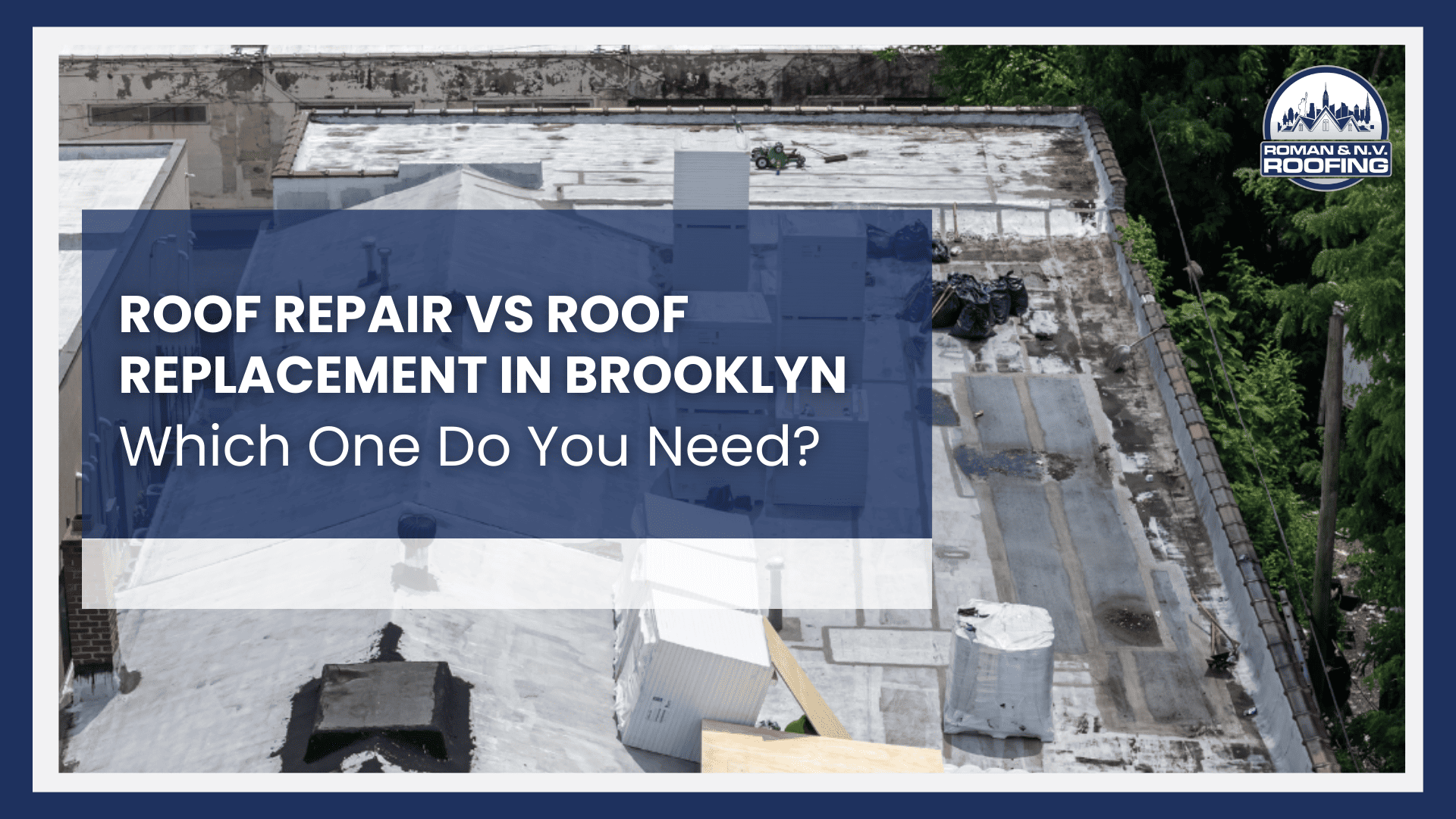
When it comes to maintaining your home in Brooklyn, one of the most critical decisions you’ll face is whether your roof needs repair or a full replacement. Recognizing the difference isn’t just about saving money; it’s about protecting your property, your family, and your investment. Roof repair vs replacement in Brooklyn is a decision that requires careful assessment of the roof’s condition, age, material, and the long-term goals you have for your home.
Many homeowners make the mistake of delaying the decision, assuming minor leaks or worn shingles are temporary problems. Let’s take a moment to consider a common scenario: A family in Bedford-Stuyvesant noticed dark streaks forming across their roof. At first, they called it cosmetic, but after a few months, water stains appeared on their ceiling, and insulation started to fail. This is a classic case where knowing the signs early can save thousands.
If you ignore the warning signs, a small problem today could lead to a full roof collapse or costly emergency repairs tomorrow. Acting on the right information is critical for Brooklyn homeowners.
In this guide, we’ll break down exactly what roof repair involves, what roof replacement entails, and how to determine which is right for your Brooklyn home. By the end, you’ll have clear, actionable guidance to make an informed decision.
Understanding Roof Repair
Roof repair refers to fixing specific damaged areas of your roof without removing the entire structure. Repairs are ideal when the damage is localized, such as missing shingles, minor leaks, or small water stains. Repairing your roof is often more cost-effective than replacement, but it requires timely action and professional assessment to avoid larger problems later. Key Features of Roof Repair include:
Targeted Damage Fixes
Roof repair addresses precise areas of concern rather than the whole roof. Whether it’s a leaking gutter connection, cracked shingles, or a small section of flashing, repairs focus on resolving the issue without disrupting the entire roof. This ensures that your home remains protected while extending the life of your existing roof.
Cost-Effective Solution
Repairing minor damage is significantly less expensive than full roof replacement. For homeowners who notice early warning signs, investing in repairs can prevent a small problem from evolving into a larger, costlier issue. It’s essential to weigh the cost of repair against the remaining roof lifespan.
Quick Turnaround
Most roof repairs can be completed in a day or two, depending on the extent of the damage. This makes repair a practical solution for urgent issues like leaks, storm damage, or wind-blown shingles. Fast action prevents further structural damage.
Preserves Existing Materials
Repairing instead of replacing keeps the original materials intact. This is particularly important for Brooklyn homes that may have historic or specialized roofing materials. Maintaining these materials preserves the aesthetic and integrity of your home while addressing the problem efficiently.
How to Handle It:
Inspect the damaged area carefully and document it.
Hire a licensed professional who understands Materials for Brooklyn Homes.
Address repairs immediately to prevent water infiltration or structural issues.
Monitor the repaired area for a few weeks to ensure the fix is holding properly.
Understanding Roof Replacement
Roof replacement is a complete overhaul of your roofing system, where the existing roof is removed, and new materials are installed. This is necessary when damage is widespread, the roof is nearing the end of its expected lifespan, or when recurring repairs are no longer effective. Replacement ensures long-term durability and improved protection for your home. Key Features of Roof Replacement include:
Comprehensive Coverage
Replacement addresses the entire roof, eliminating old damage, leaks, and worn materials. This prevents future issues that repairs might not catch and ensures that your home is fully protected for years to come.
Enhanced Durability
New roofs are built with modern materials and installation techniques, offering superior resistance to wind, rain, and harsh Brooklyn weather. A replacement increases the longevity of your home’s roofing system and can sometimes improve energy efficiency.
Opportunity to Upgrade Materials
Replacement allows homeowners to select high-quality Materials for Brooklyn Homes, such as durable asphalt shingles, metal roofing, or energy-efficient solutions. Upgrading materials can enhance the roof’s performance and aesthetics.
Eliminates Frequent Repairs
A fully replaced roof reduces ongoing repair needs. Homeowners who have repeatedly fixed leaks or replaced shingles will find replacement more cost-effective in the long term, saving both time and money.
How to Handle It:
Consult a professional to assess the roof’s overall condition.
Review options for durable materials that fit your home’s style and budget.
Ensure proper disposal of old roofing materials and compliance with local codes.
Schedule replacement during favorable weather to prevent delays.
Factors to Decide Which One is Right
When deciding between repair and replacement, consider these critical factors:
Roof Age
The age of your roof is a major factor. Most Brooklyn roofs last between 15 and 25 years, depending on materials. If your roof is approaching the end of its expected life, frequent repairs may be costly, making replacement the better option.
Extent of Damage
Localized damage like a few missing shingles, usually warrants repair. Widespread issues, sagging sections, or structural problems indicate replacement is necessary.
Frequency of Repairs
If your roof has needed multiple repairs in the last few years, replacement is often more economical in the long term. Constant patching can add up and cause ongoing stress.
Materials for Brooklyn Homes
Older roofs may have materials that are outdated or incompatible with current standards. Replacement allows homeowners to upgrade to more durable, weather-resistant options suitable for New York’s climate.
Budget and Long-Term Planning
Repairs are cheaper initially but may add up. Replacement is a higher upfront cost but reduces maintenance and emergency repair expenses. Align your choice with your long-term financial planning and home goals.
How to Handle It:
Perform a professional roof inspection to assess damage.
Calculate the total cost of repairs vs replacement over the next 5–10 years.
Factor in potential upgrades and benefits of new materials.
Consider your home’s aesthetic and energy efficiency goals.
Signs Your Roof Needs Repair or Replacement
Recognizing the signs early is crucial. Some indicators include:
Leaks and Water Stains: Persistent leaks are often a warning that the roof’s protective layer is compromised.
Shingle Damage: Missing, cracked, or curling shingles indicate aging or weather damage.
Sagging Roof Deck: Structural weakness requires immediate replacement to prevent collapse.
Granule Loss: Shingles losing granules reduce protection against rain and UV rays.
Moss or Algae Growth: Excessive growth can trap moisture and degrade the roof’s surface.
How to Handle It:
Document the issue with photos.
Schedule a professional inspection.
Determine whether localized repair or full replacement is necessary based on damage severity.
Making the Final Decision: Which Is Best?
In most cases:
Choose Repair: When damage is minor, isolated, and your roof has plenty of life left. Repairs can extend your roof’s functional life and save money.
Choose Replacement: When damage is widespread, recurring, or the roof is near the end of its expected life. Replacement ensures long-term reliability, improved durability, and the chance to upgrade materials.
Pro Tip: Consider your Roof Lifespan when evaluating repairs vs replacement. If the roof is nearing its natural end, investing in a full replacement is often the smartest choice.
FAQs
Q1: Can I repair a roof multiple times before replacement?
A: Yes, but repeated repairs indicate the roof may be nearing its end of life, and replacement might be more cost-effective.
Q2: How do materials impact my choice?
A: Durable materials like metal or architectural shingles may extend your roof’s lifespan, influencing whether repair or replacement is better.
Q3: Does roof age alone justify replacement?
A: Not always, but older roofs often have hidden structural weaknesses, making replacement a safer long-term investment.
Q4: Can emergency repairs prevent full replacement?
A: Temporary fixes help in urgent situations, but they rarely substitute for a proper assessment and potential replacement.
Q5: How does Brooklyn's weather affect this decision?
A: Snow, wind, and rain accelerate wear; roofs damaged by these factors may require replacement sooner than in milder climates.
Conclusion
Understanding roof repair vs replacement in Brooklyn empowers homeowners to protect their investment, ensure safety, and make cost-effective decisions. Early detection of issues, professional inspection, and evaluating your roof’s age, materials, and overall condition are essential. Choosing the right approach now prevents future problems and ensures your Brooklyn home remains safe and well-protected.
Ready to secure your roof and make the right decision today? Contact Roman Local Law 11 NYC Restoration for expert guidance and professional service modified to Brooklyn homes. Our team ensures your roof performs reliably, whether through precise repairs or full replacement.
