How Often Should You Inspect Your Roof in New York’s Weather?
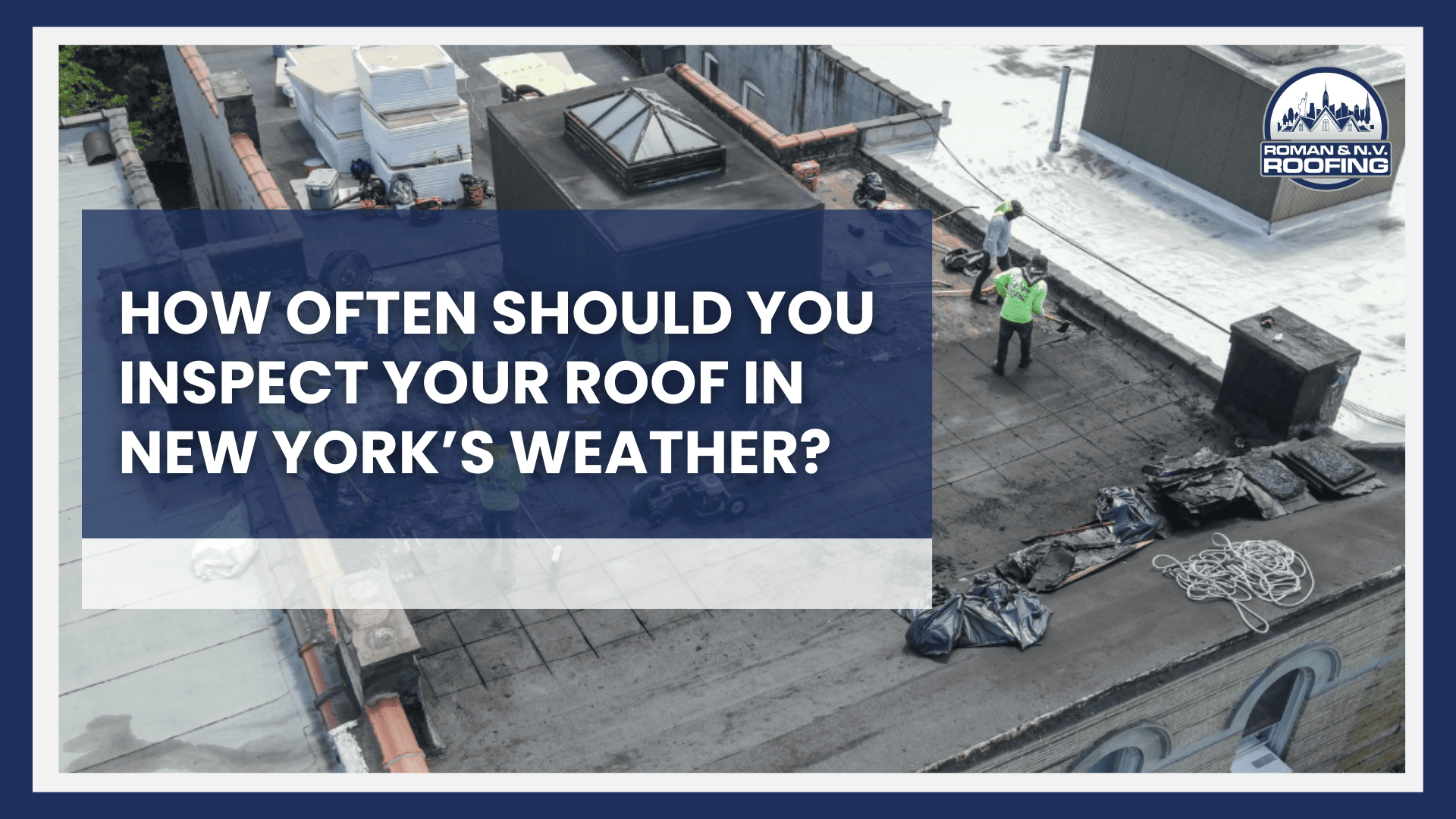
When it comes to Roof Inspection Duration, New York homeowners often ask the same question: how frequently should I check my roof to avoid costly repairs? The answer is simple yet often overlooked: your roof requires consistent, seasonal inspections to stay safe and durable. From harsh winter snow to summer sun damage, every season presents unique challenges that can compromise your home’s most protective layer.
Years ago, a Brooklyn homeowner ignored minor winter damage, thinking it was “just snow and ice.” By spring, water had seeped into the attic, causing rot that could have been prevented with a timely inspection. This is the exact reason proactive roof inspections save both money and stress.
Skipping regular inspections is the fastest route to expensive roof problems. Let’s break down the seasonal inspections, their importance, and the recommended Roof Inspection Duration for Brooklyn homes.
Spring Roof Inspection: Repair Winter Damage Early
Spring is the season when winter’s toll on your roof becomes visible. Snow, ice dams, and frozen debris can lift shingles, crack flashing, and leave hidden water damage. Failing to inspect now risks escalating problems as rain and spring storms arrive. Early detection ensures your roof remains strong and leak-free, extending its life and maintaining property value.
Key points to check:
Inspect shingles for cracks, curling, or missing pieces caused by ice and snow pressure.
Check flashing and roof valleys for signs of lifting or water pooling.
Remove debris from gutters and valleys to prevent clogs and water backup.
Examine attic insulation for moisture or mold from hidden leaks.
How to Handle It:
Schedule a professional inspection to document winter damage.
Replace or repair damaged shingles immediately.
Clear debris from all drainage areas to avoid spring flooding.
Apply protective coatings or sealants if minor water penetration is detected.
Summer Roof Inspection: Protect Against Heat and Storms
Summer brings high heat, UV exposure, and occasional thunderstorms that can strain your roof. Asphalt shingles may warp, metal roofs expand, and flat roofs can develop stress cracks. A summer inspection helps identify heat damage, loose fasteners, or vulnerable areas before hurricane season. Proactive checks prevent small issues from becoming expensive repairs during intense summer storms.
Key points to check:
Look for curling, blistering, or granule loss on shingles.
Inspect flashings, vents, and chimneys for loosened seals.
Examine flat roofs for cracks or ponding water.
Ensure attic ventilation is adequate to prevent heat buildup.
How to Handle It:
Repair or replace compromised shingles and flashing.
Clear debris from the roof and gutters to maintain drainage.
Address ponding water on flat roofs immediately.
Add or improve attic ventilation to protect roofing materials.
Fall Roof Inspection: Prepare for Winter Weather
Fall inspections are crucial before snow and ice arrive. Leaves, branches, and accumulated debris can block gutters and downspouts, while early frost may reveal cracks and weak spots. Identifying issues now ensures your roof can withstand heavy snowfall and ice dams. Neglecting fall inspections often leads to winter leaks and structural damage.
Key points to check:
Remove leaves, branches, and debris from all drainage systems.
Inspect shingles, flashing, and roof penetrations for early signs of wear.
Check gutters and downspouts for clogs or damage.
Ensure attic insulation and ventilation are functioning properly.
How to Handle It:
Clear debris and repair damaged gutters or downspouts.
Seal gaps around vents, chimneys, and skylights.
Replace missing or damaged shingles before winter.
Schedule a professional inspection to catch hidden issues.
Winter Roof Inspection: Monitor Damage Without Risk
Winter inspections are limited due to snow and ice, but remain essential after storms or during warm spells. Ice dams, frozen gutters, and wind can damage shingles, flashing, and roof edges. Even a small roof leak during winter can cause significant water damage to attics and interiors. Winter checks focus on safety, identifying immediate threats, and planning repairs for spring.
Key points to check:
Watch for ice dams along eaves and valleys.
Inspect exposed flashing for gaps or lifting.
Check the attic for signs of leaks or condensation.
Ensure roof edges and gutters are free of heavy ice buildup.
How to Handle It:
Remove ice and snow safely using roof rakes or professional services.
Apply temporary sealants to minor leaks.
Document damage for insurance purposes.
Plan spring repairs to prevent long-term problems.
Annual Roof Inspection Timeline for Brooklyn Homes
For most Brooklyn homeowners, a yearly professional inspection combined with seasonal checks is the optimal Roof Inspection Duration. This ensures that minor issues are detected early, extending your roof’s lasting duration and reducing emergency repair costs.
Annual inspection should include:
Full exterior and interior roof assessment.
Shingle, flashing, and gutter inspection.
Attic ventilation and insulation check.
Structural integrity review for decks, balconies, and parapets.
How to Handle It:
Schedule inspections each spring or fall for consistent monitoring.
Keep a detailed record of roof condition and repairs.
Align roof replacement planning with Roof Lifespan recommendations.
Additional Considerations for Roof Longevity
Shingle and Material Age
Older shingles lose granules and resilience. Inspecting roofs with older Materials for Brooklyn Homes helps prevent leaks and structural damage.
Look for bald spots or granule loss.
Check curling or lifting edges.
Plan replacement if shingles exceed the manufacturer's lifespan.
Roof Ventilation and Insulation
Poor ventilation accelerates wear and can lead to ice dams. Ensure attics are well-ventilated to maintain roof material health and time to replace your roof.
Inspect vents, ridge caps, and soffits.
Ensure insulation is intact without compressions or moisture.
Correcting ventilation now prevents early deterioration.
Storm and Wind Damage
NYC weather brings occasional high winds. Even minor shifts in shingles or metal roofing require inspection.
Look for displaced or missing shingles.
Check roof edges and chimneys.
Reinforce with repairs to prevent leaks or blow-offs.
Why Roof Inspection Matters in New York’s Weather
Regular inspections help prevent:
Costly emergency repairs
Water damage and mold growth
Reduced Roof Lifespan
Structural weakening due to prolonged leaks
By adhering to a consistent Roof Inspection Timeline Homes, you ensure that your roof performs reliably and protects your investment for years to come.
Conclusion
Knowing the right Roof Inspection Duration is essential for Brooklyn homeowners who want a durable, leak-free roof. By conducting seasonal inspections, addressing minor issues early, and scheduling an annual professional review, you can maximize your roof’s lasting duration and prevent costly emergencies. Remember to consider Signs Your Roof Needs Repair as a guide for urgent issues.
Protect your home with expert roofing inspections from romanll11nycrestoration. Call today to schedule your inspection and safeguard your property for years to come.
FAQs
Q1: How can I tell if my roof inspection is overdue?
A: Check for visible damage, leaks, or age; if over a year has passed, schedule an inspection immediately.
Q2: Can I inspect my roof after a storm myself?
A: Basic visual checks are fine, but professional inspections ensure hidden damage is identified.
Q3: Do seasonal inspections prevent insurance claims issues?
A: Yes, documentation of regular inspections supports claims and shows proactive maintenance.
Q4: How does attic ventilation affect my roof's lifespan?
A: Proper ventilation prevents heat and moisture buildup, reducing shingle deterioration.
Q5: Are all roofs in Brooklyn equally affected by seasonal changes?
A: No, flat and low-slope roofs often face more water pooling and ice dam issues than pitched roofs.
